F4 Holdings

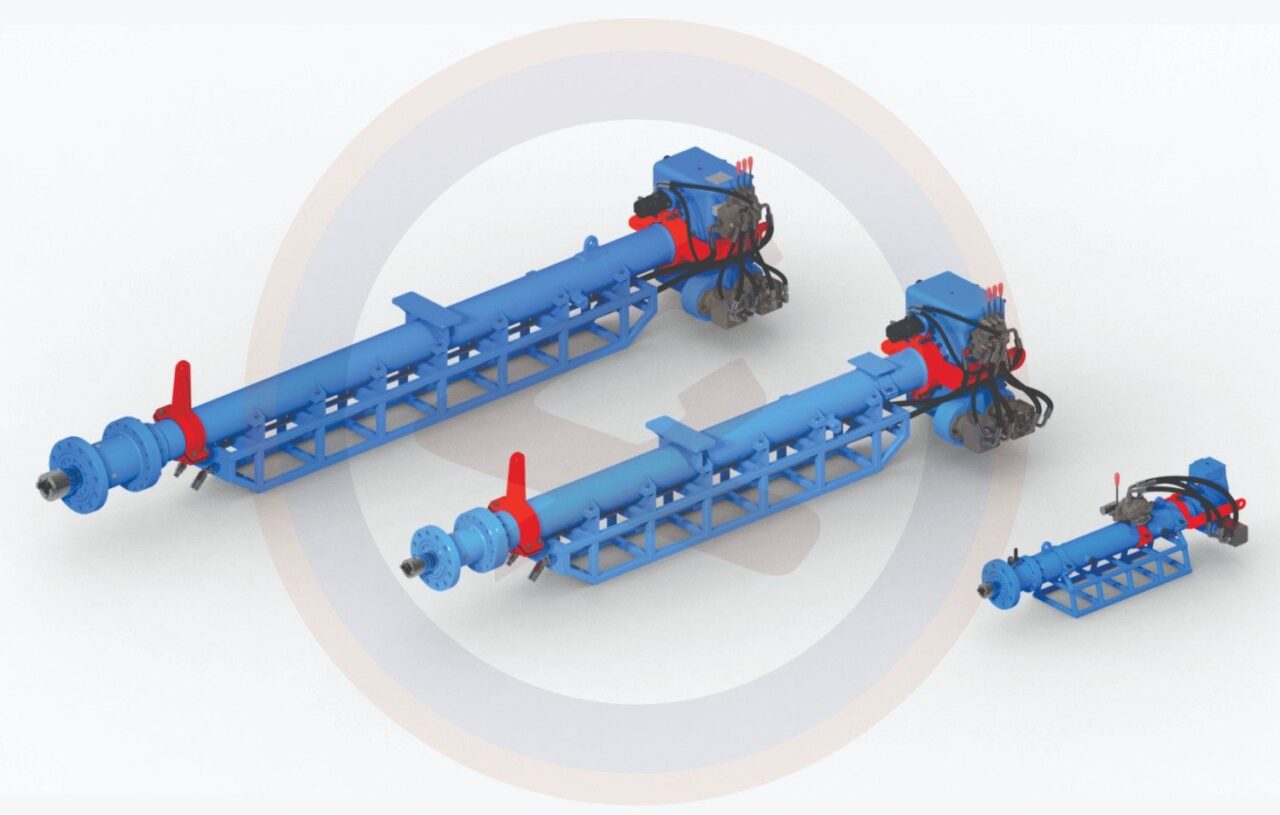
WormGearDrivenHotTappingMachine-1280x815.jpg
July 30, 2025

by admin

Hot Tapping vs Line Stopping: Which is Safer and More Efficient?

Modern industries can’t afford unplanned shutdowns. Whether it’s oil and gas, chemical processing, or water supply, pipelines need regular maintenance. But stopping the flow can mean huge losses. That’s why methods like Hot Tapping and Line Stopping are so valuable. Both techniques allow maintenance and modification work without shutting down the entire system. While they serve similar goals, they work differently. Each comes with its own set of safety protocols, cost implications, and operational strengths.

This blog breaks down both methods to help you decide which one fits your needs. We’ll explore how each technique works, where they’re best used, and how to choose the right method. The focus remains on safety, efficiency, and long-term reliability. And if you’re looking for expert tools and machines, F4 Holdings has you covered. Learn more about hot tapping and why it might be the solution you need.


Understanding How Hot Tapping Works

Hot tapping is the process of connecting a new branch to a live pipeline without shutting down the flow. This method is widely used for system expansions, repairs, and adding sensors. The basic process involves welding a fitting on the pipeline, mounting a valve, and using a hot tapping machine to cut into the pipe. All of this happens while the system remains in operation. Common equipment includes the tapping machine, cutter, tapping valve, and a pressure-sealed fitting. It’s a precise operation that requires skilled technicians and the right machinery. Industries such as oil & gas, power plants, and water distribution use this technique often. It helps them avoid system shutdowns and maintain pressure throughout the process.


How Line Stopping Gets the Job Done

Line stopping goes one step further than hot tapping. It temporarily blocks the flow of fluid in a pipeline, allowing complete isolation of a section. The process starts by hot tapping the pipe to insert a line stop actuator. Then, a special head, like a folding or pivoting head, is deployed to block the line. This allows work on isolated segments without affecting the rest of the system.

Types of line stops include:

  • Folding Head
  • Pivoting Head
  • Bullet Type
  • Sandwich Type


These systems are ideal for replacing valves, rerouting lines, or making major structural changes. You’ll see line stopping used in gas utilities, fire protection systems, and municipal waterworks. Explore more details about the process on our line stopping solutions page.

Comparing Safety Standards and Risks

Both Hot Tapping and Line Stopping come with safety concerns, but proper protocols minimize risks.

For hot tapping, the biggest concerns involve:

  • Avoiding sparks during cutting
  • Controlling pressure buildup
  • Preventing leaks


The API 2201 standard outlines strict safety practices for hot tapping, ensuring operators stay protected. Line stopping, on the other hand, has risks tied to pressure drops and potential system collapse if not handled properly. Since it involves flow blockage, missteps can lead to pressure imbalance. In high-pressure systems, hot tapping is generally safer due to uninterrupted flow. In contrast, line stopping is safer when full isolation is essential, like during pipe replacements. F4 Holdings ensures its products follow industry-certified safety practices, keeping both operators and systems secure.

Criteria

Hot Tapping

Line Stopping

1. Flow
Interruption

No, pipeline remains live 

Yes, flow is stopped in the isolated section

2. Downtime

Minimal or none 

Partial to full downtime

3. Purpose

To create a new branch or connection 

To isolate a section for repair or replacement

4. Safety Risk

Risks include sparks, pressure buildup 

Risks include pressure drop, backflow, system imbalance

5. Efficiency

Highly efficient, no interruption to operations 

Less efficient due to flow stoppage and longer setup

6. Equipment
Needed

Tapping machine, valve, cutter, fitting 

Line stop actuator, folding/pivoting/bullet head, bypass system

7. Ideal
Use Case

Installing sensors, branch lines, or bypasses on live pipelines 

Replacing valves, repairing damaged sections

8. Prep Time

Moderate 

High due to complexity and setup requirements

9. Cost
Effectiveness

More cost-effective in the long term, no production loss 

Costlier due to downtime and extensive equipment

10. Industry
Standard

Governed by API 2201 for safety and best practices 

Requires custom planning and strict controls, but no universal standard

This comparison shows how Hot Tapping and Line Stopping serve different needs. For minimal disruption, hot tapping wins. For full isolation, line stopping is essential. Choose based on the project goal and safety requirements, and use trusted equipment from F4 Holdings for best results.


Time and Efficiency Make a Big Difference

Let’s look at the real-world efficiency of Hot Tapping and Line Stopping.

Factor

Hot Tapping

Line Stopping

Downtime

Minimal/None 

Partial to Full

Flow Interruption

No 

Yes

Prep Time

Moderate 

High

Maintenance

Inline 

May require full isolation

Hot tapping offers quick setup and no flow interruption. This is ideal for adding branches or connections without halting operations. Line stopping is more time-consuming. It’s perfect for projects requiring full shutdowns, like replacing damaged pipes or valves. Using the right hot tapping machine drastically cuts down prep time and boosts safety. F4 Holdings machines are built for efficiency and long-term use.


The Real Cost: Time, Tools, and Safety

Hot tapping saves money by avoiding shutdowns. No production loss means higher uptime and better returns. While the initial setup cost may be slightly higher, the savings quickly outweigh it. Line stopping involves more equipment, time, and often a larger crew. That pushes up costs. Still, it’s essential in scenarios where full isolation is the only safe option. If your project involves high-pressure fluid or hazardous materials, line stopping might be the safer route, even if it’s more expensive. F4 Holdings offers equipment that balances cost, efficiency, and reliability, helping you get the job done right.


Real Projects, Real Results

Let’s take a look at how Hot Tapping and Line Stopping perform in real-world applications. In one chemical plant, hot tapping was used to install a new line without shutting down the main pipeline. The entire job was completed in under six hours, with zero flow disruption. In contrast, a water utility used line stopping to isolate a corroded section of pipeline. The technique allowed them to work on the faulty area without shutting off supply to nearby neighborhoods. Though it took longer, it prevented a complete system outage. Both methods proved effective in different scenarios. The key was choosing the right method for the job. And yes, both used equipment provided by F4 Holdings.


Making the Right Choice for Your Pipeline

So which method should you choose?

Hot Tapping Pros:

  • No downtime
  • Lower long-term cost
  • Inline maintenance


Line Stopping Pros:

  • Full isolation
  • Ideal for major repairs
  • Greater control in some cases


Choose hot tapping when:

  • The pipeline must stay live
  • Minor modifications are needed
  • Time is critical


Choose line stopping when:

  • Complete isolation is needed
  • Safety is a concern
  • The pipe material or pressure limits hot tapping


Still not sure? F4 Holdings can guide you based on your system’s specs.


Conclusion 

Hot Tapping and Line Stopping both offer solid solutions for in-service pipeline work. The right choice depends on your project’s demands, be it speed, safety, or isolation. Hot tapping shines when uptime is vital. Line stopping is perfect when you need a clean break in the system. Either way, safety and precision are non-negotiable. And with the right tools, like those offered by F4 Holdings, you can complete the job with confidence.

Untitled-design-2024-08-07T143747.85.jpeg
July 30, 2025

by admin

How to Select the Right Hot Tapping Equipment for Your Pipeline System

In today’s fast-paced infrastructure world, pipelines rarely get downtime. Whether it’s water, oil, gas, or chemicals, systems need to stay operational. That’s why in-service pipeline modifications like Hot Tapping and Line Stopping are in high demand. They allow technicians to create branches or perform maintenance without shutting down the entire line. But here’s the catch, this process demands absolute precision, and that starts with the right hot tapping equipment.

Choosing the wrong tool can cause downtime, leaks, or worse, accidents. So, getting it right is not just about performance; it’s also about safety, compatibility, and long-term reliability. Every pipeline is different. Factors like pipe size, pressure, material, and fluid type all play a role in equipment selection. If you’re planning a live intervention, don’t take shortcuts. Understanding what tools to use, and when to use them, can make a huge difference. Whether it’s a routine waterworks job or a high-risk oil and gas tap, your choice of gear can either protect or jeopardize the system.

Looking to explore top-notch hot tapping gear? Check out our hot tapping equipment page for industry-grade tools. Let’s break it all down and help you make the right call.

Understanding Hot Tapping Equipment and Its Role

Hot tapping equipment is designed to perform live pipeline connections safely and without interrupting the flow inside the pipe. These tools create a new branch or access point on a pressurized line. Key components include:

  • Tapping machines (manual or automatic)
  • Hot tap fittings (weldolets, saddles, etc.)
  • Isolation or gate valves
  • Cutting tools (hole saws, pilot drills)
  • Adapters and pressure housings

Manual machines are ideal for controlled environments, while automatic tapping machines work better for high-volume or hazardous conditions. The cutter is used to bore into the pipeline, while adapters and fittings ensure a leak-proof seal. Together, they make Hot Tapping and Line Stopping safer, faster, and more precise.

Each tool has a role, and choosing the right combination can prevent leaks, control pressure, and ensure smooth tap execution. Whether you’re dealing with water pipelines or high-pressure gas lines, you need equipment that suits the specific working environment.

Factors to Keep in Mind When Choosing Equipment

Let’s talk about what really matters when selecting hot tapping equipment.

a) Material and Thickness of the Pipe

Pipes come in different materials, steel, HDPE, ductile iron, PVC, and more. Not every cutting tool can handle them all. For instance, tapping into steel demands stronger cutters and better heat resistance. Thinner walls may need different seals than thick-walled pipes. Always choose equipment that matches both the material and wall thickness.

b) Pressure and Temperature Handling

Pipelines under high pressure or extreme temperatures require specialized tools. Equipment should be pressure-rated and able to handle thermal expansion. This is critical in oil & gas applications. An under-rated tool can lead to blowouts or leakage, don’t risk it.

c) Size and Orientation

Pipe diameter and alignment matter. Equipment must match the size of the tap. Telescopic boring bars are useful for deep or angled entries, while fixed boring bars work better for straightforward cuts. Always measure twice, choose once.

d) Type of Fluid or Gas

What’s flowing through the pipeline? If it’s corrosive, flammable, or toxic, your choice of materials must reflect that. Stainless steel components might be required, along with seals rated for chemical resistance.

e) Required Tap Size

The tap size determines the cutter, drill, and adapter. A larger outlet needs a stronger cutting system. Don’t forget to verify the outlet requirement before making a selection. Undersized tools can’t get the job done. Oversized tools increase risk.

Mistakes You Must Avoid

Even experienced teams can get it wrong. Here’s what to avoid:

  • Using machines not rated for your pipe’s pressure
  • Ignoring the seal quality and compatibility
  • Skipping on ASME/API certifications
  • Assuming one machine fits all
  • Letting untrained operators handle advanced machines

Poor equipment choices can lead to failure during a live tap. Never compromise on performance or standards. Always match tools with the job, and never underestimate Hot Tapping and Line Stopping risks.

Choosing Equipment by Use Case

Not all jobs are the same, and your equipment shouldn’t be either. Here’s how to match gear to your need:

Compact Machines

Ideal for tight spaces, manholes, or indoor utility lines. These are lightweight, portable, and easy to handle.

Heavy-Duty Machines

Used in offshore rigs, oil fields, or high-pressure industrial pipelines. Built with reinforced materials and enhanced pressure tolerances.

Automated Systems

Perfect for hazardous zones where precision, safety, and consistency are non-negotiable. Programmable controls ensure uniform tapping without human error. Each category supports specific Hot Tapping and Line Stopping needs. Understand your environment before deciding.

Don’t Overlook Safety and Compliance

Safety isn’t optional, it’s the foundation. Always look for tools that meet global safety standards like:

  • API 2201 (for hot tapping procedures)
  • ASME PCC-2 (for pressure equipment repair)
  • MSS-SP-124 (valves, fittings, taps)

Choose tools that have been tested for leak-free performance under operating conditions. Never settle for unverified equipment.

Hot tapping and Line stopping tools must also follow industry certifications to avoid liability and operational failures.

Get the Right Tools with Expert Help

Choosing the perfect equipment can feel overwhelming. But you’re not alone. F4 Holdings provides:

  • A complete range of hot tapping machines, fittings, and accessories
  • Customized tools for oil, gas, waterworks, and chemical lines
  • Expert guidance for selecting the right machine for your job

Browse our hot tapping machines, hot tap fittings, and line stopping equipment to get started. Let us help you avoid costly errors and make your next tap successful.

Make the Smart Choice Today

The success of any Hot Tapping and Line Stopping project lies in choosing the right equipment. It’s not just about tools, it’s about safety, performance, and doing the job right the first time. Whether you’re working on a municipal water line or a critical oil pipeline, your equipment matters. Don’t leave it to chance. Contact our team for a tailored solution that suits your application and ensures compliance with all standards.

Need Help Choosing Equipment?

Looking for high-performance hot tapping equipment? F4 Holdings has what you need, tools that work, advice that helps, and support that lasts. Reach out to us today to make your next tap safer and smoother.

12.-A-Complete-Guide-to-Industrial-Pipe-Fittings-for-Beginners-1-1280x731.webp
June 27, 2025

by admin

10 Essential Types of Pipeline Fittings and Their Applications

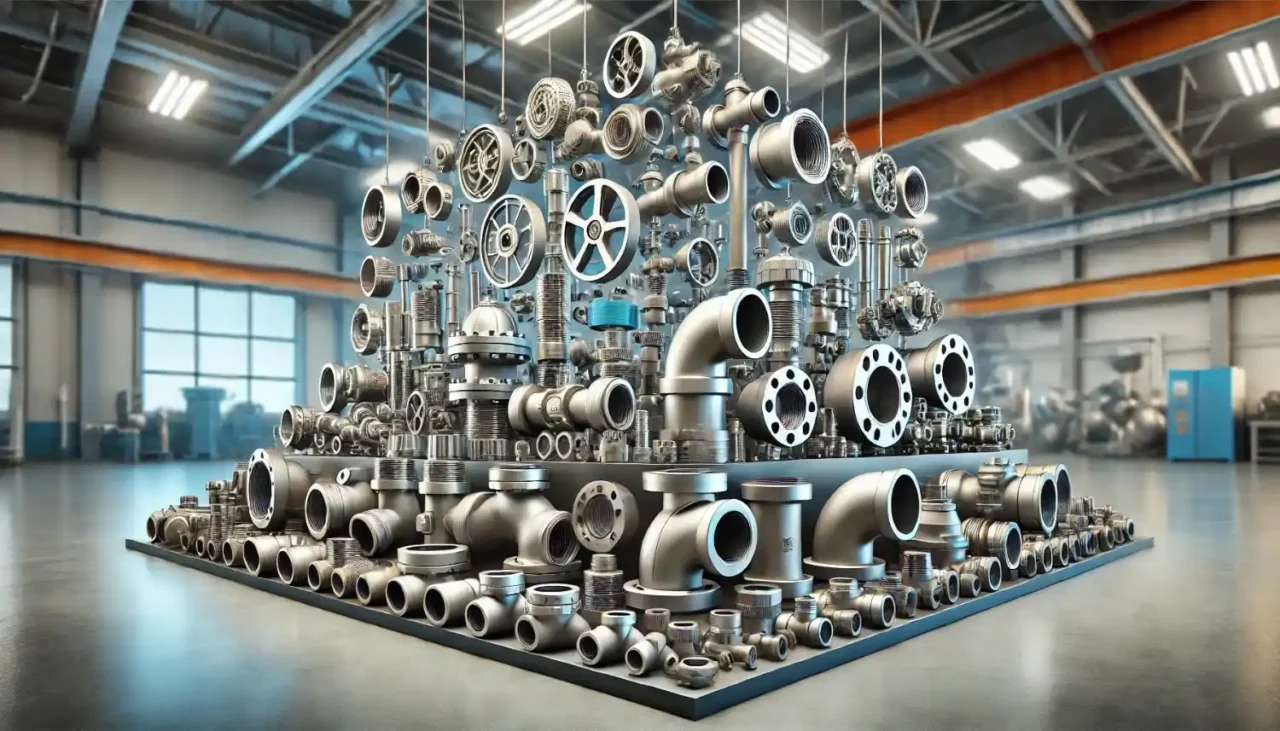
Pipelines are everywhere — at home, in factories, and even underground. They help carry water, gas, oil, and many other things. But have you ever wondered how these pipelines are connected and work so smoothly? That’s where pipeline fittings come in. These small parts play a big role. They help change direction, control flow, and connect different pipes. From elbow and tee fittings to flange pipe fittings, each one has a purpose.

There are many types of pipeline fittings used in different places. In this blog, you’ll learn about 10 important pipe fittings types and their real-life applications. Let’s dive in!

What Are Pipeline Fittings?

Let’s keep it simple. Pipeline fittings are small parts used to connect pipes. They help join two pipes, stop the flow, change direction, or control how things move inside the pipe. You’ll find these in homes, factories, and large buildings. Each fitting has its own purpose.

For example, elbow and tee fittings help change direction. Reducer fittings in piping connect pipes of different sizes. Flange pipe fittings are used to hold pipes together with bolts. These may look small, but they do big things. Pipe fittings types are not just used in homes. They are a big part of industrial pipe fittings too. Whether it’s gas, water, or oil, fittings help everything flow smoothly.

Knowing the different plumbing fitting types can help you understand how pipelines work. So, if you’re curious about common pipeline fittings and uses, you’re in the right place!

1. Elbow Fittings

These fittings help the pipe turn. They come in 45° or 90° angles. You’ll find them in HVAC systems, farms, and home plumbing. Elbow and tee fittings are among the most widely used.

2. Tee Fittings

These look like the letter “T.” They split the flow or combine it. Equal tees split evenly. Reducing tees connect different pipe sizes. These are used in water systems and chemical plants.

3. Coupling

A coupling connects two straight pipes. It’s simple but powerful. It comes in full or half sizes. You’ll often see it used to fix pipe leaks or extend pipelines.

4. Union

Unions work like couplings but with one big advantage — you can take them apart easily. That makes them perfect for systems that need regular checks and changes.

5. Reducer

This fitting connects pipes of different sizes. Concentric ones keep the flow straight. Eccentric ones lower the flow on one side. Reducer fittings in piping are great for pumps and fluid lines.

6. Cross Fittings

These fittings have four openings — one in and three out, or vice versa. They’re used in sprinkler systems and industrial plants.

7. Cap and Plug

A cap closes the end of a pipe from the outside. A plug does the same from the inside. These are used when you need to stop flow temporarily or for testing.

8. Nipple

A nipple is a small pipe used to connect other fittings. It comes in different lengths and shapes. They help when you need just a little more pipe length.

9. Valve Fittings

These fittings help you control the flow. Ball valves, gate valves, and check valves are a few types. You’ll find them in homes, factories, and fuel lines.

10. Flange Fittings

Flange pipe fittings have flat edges with holes. They bolt two pipe sections together. These are common in industrial pipe fittings and high-pressure systems.

Conclusion

Now you know how important pipeline fittings are. Choosing the right one makes a big difference — it keeps your system safe, smooth, and long-lasting. Some fittings help change direction, like elbow and tee fittings. Others connect different pipe sizes, like reducer fittings in piping.

Whether it’s for your home or a big factory, the right fittings matter. Industrial pipe fittings must handle pressure and flow. Plumbing fitting types help in daily water supply. Flange pipe fittings are great for strong and secure connections.

Understanding pipe fittings types and their uses helps you avoid mistakes. It also saves time and money. For best results, talk to experts. They know which fittings to use and why. Also, make sure you follow trusted standards like ASME and ASTM. Choose smartly — your pipeline will thank you later!
pipe-fabrication-1280x640.webp
June 26, 2025

by admin

How to Select the Right Pipeline Fitting for Your Industry?

Pipeline fittings connect different sections of a pipe. They help control the flow of liquids or gases in a system. These small parts play a big role in how your entire setup works. That’s why selecting pipeline fittings is super important. If you choose the wrong one, it can lead to leaks, damage, or costly repairs. But the right fitting ensures smooth flow, safety, and long-term savings. So, if you’re wondering how to choose pipe fittings, don’t worry, this blog is here to help. We’ll walk you through the pipe fitting selection guide in simple steps. You’ll learn about pipe material compatibility, pipe fitting standards, and other key points. Whether you need pipe fittings for industrial use or commercial setups, this guide will make it easy.

Choosing the right pipe fitting isn’t just about buying a part. It’s about making the best pipe fittings for industry work the way they should. Let’s dive into industrial piping solutions that actually work.

Types of Pipeline Fittings

When it comes to selecting pipeline fittings, knowing the different types really helps. Each fitting has its own role. And trust me, choosing the right pipe fitting can make your system run smoothly without trouble. Here’s a simple breakdown of the most common ones.

  1. Elbow and tee fittings help change the direction of flow. Elbows turn the pipe, usually at 45 or 90 degrees. Tees split the flow into two directions. These are useful in almost every industrial setup.

  2. Reducer fittings in piping help connect pipes of different sizes. These are great when the flow needs to slow down or speed up. They’re key parts in many industrial piping solutions.

  3. Flange pipe fittings are used to join two pipes securely. They are easy to open and clean. You’ll see them a lot in heavy-duty systems.

  4. Couplings and unions connect two pipes in a straight line. They’re simple and quick to use. Unions are better when you may need to disconnect pipes later.

  5. Caps and plugs close the ends of pipes. Use them when the flow needs to stop at a certain point.

  6. Adapters let different pipe types work together. Very useful when pipe material compatibility is an issue.

Use this pipe fitting selection guide to find the best pipe fittings for industry needs.

Key Factors to Consider When Choosing Pipeline Fittings

Before selecting pipeline fittings, it’s important to understand what you really need. Every industry is different. So, the same pipe fitting doesn’t work for everyone. You must look at several things before you decide. That’s why knowing the key factors in pipe fitting selection is so important. Let’s break it down for you.

1. Industry and Application Type

Learn about your industry first. Are you working with chemicals, gas, oil, or water? Industrial pipe fittings differ depending on the task. Food-grade pipelines, for instance, require smooth, clean fittings. However, robust, heavy-duty fittings are required for high-pressure oil lines. Therefore, always match the fitting to your goal.

2. Compatibility of Pipe Materials

This is a big one. Your fitting should be compatible with or match your pipe if it is made of stainless steel. The same is true for pipes made of PVC, copper, or plastic. Ignoring this could result in damage or leaks. Prior to making a decision, always confirm that the pipe material is compatible.

3. Ratings for Temperature and Pressure

How much heat or pressure can the system withstand? That is a very important point to consider. Extreme temperatures or high pressure are too much for certain fittings to withstand. Verifying these ratings is the first step in selecting the appropriate pipe fitting.

4. Dimensions and Size

It may seem easy, but it’s crucial. It’s pointless if your fitting is incorrect. Always make sure the fitting and pipe are the same size and thickness.

5. Environmental Factors & Corrosion Resistance

Does your system come into contact with chemicals, moisture, or harsh weather conditions? If so, choose fittings that are resistant to corrosion and rust. Your system will remain secure and robust as a result.

6. Budget and Longevity

You may want to save money, but don’t choose the cheapest option. Think about how long the fitting will last. Invest in the best pipe fittings for industry standards that offer value over time.

7. Maintenance and Accessibility

Pick fittings that are easy to clean and replace. This will save you time and trouble later. Easy maintenance is part of smart industrial piping solutions.

Use this pipe fitting selection guide as your checklist. It will show you how to choose pipe fittings the right way, without stress or guesswork.

Conclusion

You can reduce stress, save money, and save time by selecting the appropriate pipe fitting. Your system remains secure, robust, and leak-free with the correct fittings. They lower future repair costs and improve performance. Because of this, choosing pipeline fittings involves more than just choosing components. It involves careful planning. Observe a pipe fitting selection guide at all times. Verify all important variables, such as pipe material compatibility, size, and pressure. Adhere to reliable pipe fitting guidelines. Ask an expert instead of speculating about complicated tasks. The best industrial pipe fittings are the result of wise decisions. Investigate your options and make an investment in long-lasting, high-quality industrial piping solutions.

line-stopping-service.webp
June 17, 2025

by admin

What Does a Mechanical Folding Line Stop Head Mean?What Benefits Does It Have for Pipeline Maintenance?

In a relatively simple world of pipeline maintenance and modifications, a single term can be brought up frequently and still remain unknown to many: the Mechanical Folding Line Stop Head. Although it might seem technical (and it is), the idea is nothing less than a brilliant engineering when the downtime is not an option.

We are not in the business of manufacturing pipeline equipment only, but we are in the business of engineering solutions at F4 Engineering (India) Private Limited. This blog reveals the identity of a mechanical line stop, its functionality, as well as the reason why it is a ground-breaking element in the pipeline intervention technology.

So, What Is a Line Stop?

A line stop is a procedure of temporarily isolating the flow of a live pipeline to allow pipeline maintenance, repair, or modification to be performed downstream, without having to shut down the whole system. This will be revolutionary to sectors such as oil and gas, utilities, and chemical plants, where any disruption could cost millions.

And this is where the folding head comes in.

What Is a Mechanical Folding Line Stop Head?

Imagine that the line stop head is the heroic plug that blocks the fluid that runs in the pipeline–but with a twist.

The folding head, unlike the conventional line stop heads, is designed in such a way that it collapses (folds) during insertion and unfolds (expands) after insertion into the pipeline. This is some smart engineering, since it can easily enter through a smaller opening, and can securely seal once deployed, even at high pressure.

Our folding heads at F4 are accurately manufactured to suit a large variety of diameters and pressures. They are applied together with hot tapping systems, and they can be utilized with welded or mechanical fittings.

So, Why Use a Folding Head?

The following are the excellent features that make the folding line stop head a favorite in the industry for pipeline maintenance:

  1. No Shutdowns. Zero Downtime.

It is a way to make changes to an active pipeline without having to shut down operations, as with sensitive processes such as water supply or chemical flow. This makes it an ideal pipeline shutdown tool.

  1. High-Pressure Tolerance

The folding heads designed by F4 to work in high-pressure environments have an adjustable pressure rating according to the requirements of a client. They are also made to comply with ASME requirements of safety and reliability.

  1. Compact Insertion. Efficient Deployment.

Since the head is folded during entry, a small access point is all that is needed. This equates to little disturbance of the pipeline and reduced installation times.

  1. Flexibility in Materials & Sizes

Our folding heads adjust to a pipeline of any material, steel, ductile iron, or a special alloy. They come in a large variety of sizes and pressure classes- ANSI 150# up to 600# and larger.

  1. Safe Reversible

The system is completely retractable, and the pipeline can be put back into normal operation when the job is finished. Safety is in every fold.

Why choose F4 Engineering?

We are not the first Indian company that manufactures hot tap and line stop equipment, but we are the only company that has in-house manufacturing, customization, and global standard testing facilities under a single roof. This is vital for comprehensive pipeline maintenance solutions.

Our Mechanical Folding Line Stop Heads are built to work under tough conditions, whether it be in the refinery pipeline in the Middle East or utility lines in high-rise buildings. With the support of innovation, performance, and an experience of more than 10 years, F4 is the pipeline intervention frontline name in India.

Final Thought

Stop the head of the mechanical folding line. In a world where time equals money and shutdowns cost money, the mechanical line stop is the quiet workhorse that makes it all run, literally. For effective pipeline maintenance, these solutions are paramount.

When you are involved in pipeline modification, repair, or bypass jobs and need minimum disturbance and maximum productivity, then it is high time to contact the professionals.

Talk to F4 Engineering. We don’t just stop pipelines—we stop problems before they begin.

1HotTappingMachines1-1280x815.jpg
June 17, 2025

by admin

What Is a Hot Tapping Machine? Which one should you choose?

In pipeline maintenance, a technology exists that enables repairs and alterations without halting the flow, and it is called hot tapping. Unless you work in the industry and have never heard of a hot tapping machine, you are not alone. However, once you become aware of it, you’ll wonder how industries used to operate without it.

At F4 Engineering (India), we’ve made it our mission to ensure that downtimes are a thing of the past and efficiency is increased. We are the designers and manufacturers of hot tapping machines and accessories of world-class standards that assist industries in undertaking very essential interventions without any shutdowns, smoothly and safely.

So, let’s explore more about hot tapping and ways to select the appropriate machine according to your requirements.

What Is a Hot Tapping Machine?

A hot tapping machine can be used to provide a new pipeline connection to an existing pressurized pipeline without interruption. The hot tapping process ensures business continuity, whether you’re including a branch, installing monitoring systems, or conducting maintenance.

These machines are particularly important in industries such as:

  • Oil & Gas
  • Water utilities
  • Chemical & Fertilizer plant
  • Power and Process industries

F4 Engineering hot tapping machines are designed to cope with high pressure, extreme temperatures, and harsh conditions, especially in areas like the Middle East, where sand, heat, and scale are always present. For effective hot tapping in oil and gas, reliable hot tapping equipment is paramount.

How to Choose the Right Hot Tapping Machine?

Here’s your no-fuss guide:

  1. Application Type
    Are you working on low-pressure chilled water piping or high-pressure oil pipelines? F4 has manual and air-driven machines, hydraulic as well as pressure-balanced models, all customized to a particular requirement for efficient pipeline hot tapping.
  2. Size Range
    F4 offers hot tapping machines for:
    • Small bores (1/2 inch to 8 inches)
    • Medium to large diameters (up to 96 inches and larger by request).
  3. Pressure Rating
    For regular employment, machines up to 1480 psi pressure are adequate. In higher stress applications such as subsea or high-pressure gas lines, F4’s pressure-balancing systems are available to 2175 psi.
  4. Drive System
    Choose between:
    • Air-driven (pneumatic) – Compact, dependable, and suitable for explosive atmospheres
    • Hydraulic – Most suitable for heavy-duty or constant use
    • Manual – Inexpensive for small-scale applications

Why Choose F4 Engineering?

F4 is one of the few manufacturers in India that has in-house capabilities to provide end-to-end manufacturing of hot tap and line stop machines, fittings, and accessories. What makes the difference?

  • ASME-code-compliant products
  • State-of-the-art manufacturing/testing
  • Custom-engineered solutions
  • Complete pipeline accessory (hot tapping tools, cutters, drills, housings, and others)
  • Time-tested performance history in both the domestic and international markets

Thinking Ahead?

Interested in similar technologies, such as mechanical folding line stop heads? These high-tech solutions enable full shut-off and bypass – a fantastic subject we’ll discuss in another blog. Stay tuned.

Final Word

Are you a refinery manager, water utility manager, or industrial plant manager? Then the selection of a hot tapping machine isn’t just a technical decision; it’s a strategic one. Here at F4, we’re not in the business of selling machines, but providing solutions that will ensure your operations are on an upward trend. We also offer comprehensive hot tapping services to support your operational needs.

Expert advice needed?

📞 Call F4 Engineering now — downtime is no longer an alternative.